People ask me about gear constantly. On tours, in emails, in Instagram DMs. What camera do you use? What drone? What bag?
The honest answer is always the same: the gear matters less than you think, and more than you want to admit. After twenty years of photography and more camera systems than my father would like to know about, I have landed on a kit that I genuinely trust. Here is all of it, and the story of how I got here.
The Journey: From 2005 to Today
It started in 2005 with a Nikon D70 and an 18-70mm kit lens. I really didn’t know what I was doing. Living in the middle of the Atlantic, I didn’t have much information to help me, and the photographers who did this for a living didn’t care or want to spend time teaching how a "professional camera" works. I still remember going to the forums of dpreview.com to write and learn everything I could. A few years later came a Nikon D200. Then professional Nikon glass and a growing obsession with landscape photography on these islands.
Then I made the jump to Canon. The original 5D was a revelation. It was my first full-frame camera, and the image quality difference was enormous. The 5D MkII that followed was one of the best cameras of its era, particularly for video. The MkIII came next, mostly for the improved autofocus, but to be completely honest, it was not a big jump and I really had buyers' remorse.
Then came Fujifilm (the X-T2, then the X-T3). Beautiful cameras with a color rendering I genuinely loved, and the video from the X-T3 was really great. But something always felt missing, especially for someone who was used to the quality of a full-frame camera. The highlight roll-off was not great.
The strangest chapter was my first major tour collaboration. When we were discussing the partnership, the opportunity arose to structure the payment through gear instead of the original budget. A Sony A7R IV and a 24-105mm f/4 felt like the perfect value, so I decided to go for it. It was the ideal way to jump into a new system and see what the hype was about.
The A7R IV is genuinely extraordinary in terms of image quality, resolution, dynamic range, and the detail it pulls from a scene. The ZV-E1 I later added for video was equally impressive for its size. Full-frame video in a body that fits in a jacket pocket is remarkable engineering. I bought more lenses, built out the system, and truly put it to the test. And yet, I never felt at home with any of it.
In 2024, I went back to Nikon. I know I started by saying that the “gear does not matter,” but in reality, you need to be comfortable and enjoy the tools you are using to create your art.
Every time I told my father I was switching systems, I would get the same look: "Again?" I know I live in a completely different world from a lot of you. It’s in the middle of the Atlantic, and having access to these things is not cheap. He was not wrong. But looking back, working seriously with Nikon, Canon, Fujifilm, and Sony has given me something genuinely useful: I can pick up almost any camera and help a client use it properly. That kind of cross-platform knowledge is rare, and it makes me a better guide.
The Cameras
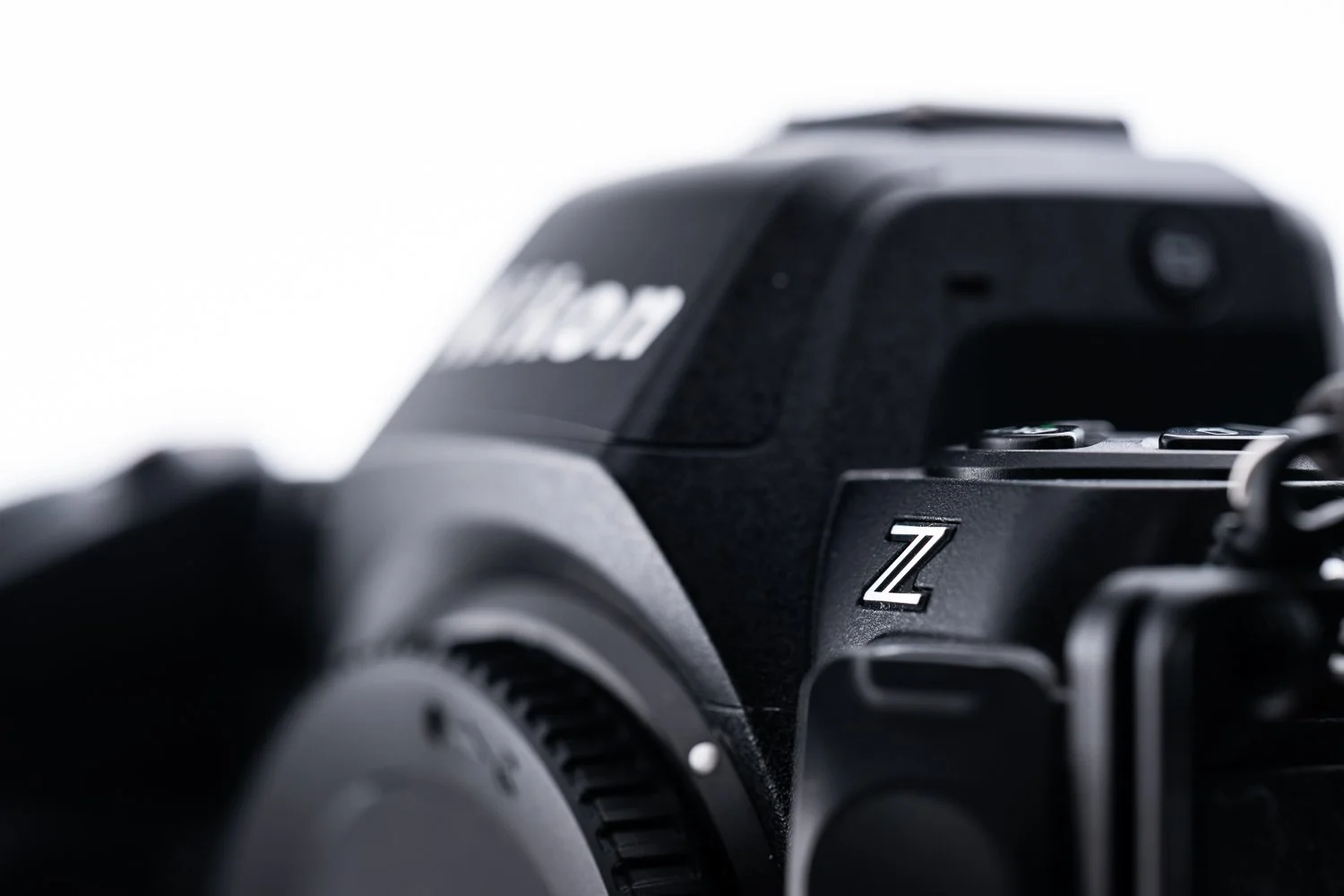
Nikon Z8: My primary camera for everything. Fast, reliable, exceptional image quality, and video is fantastic.
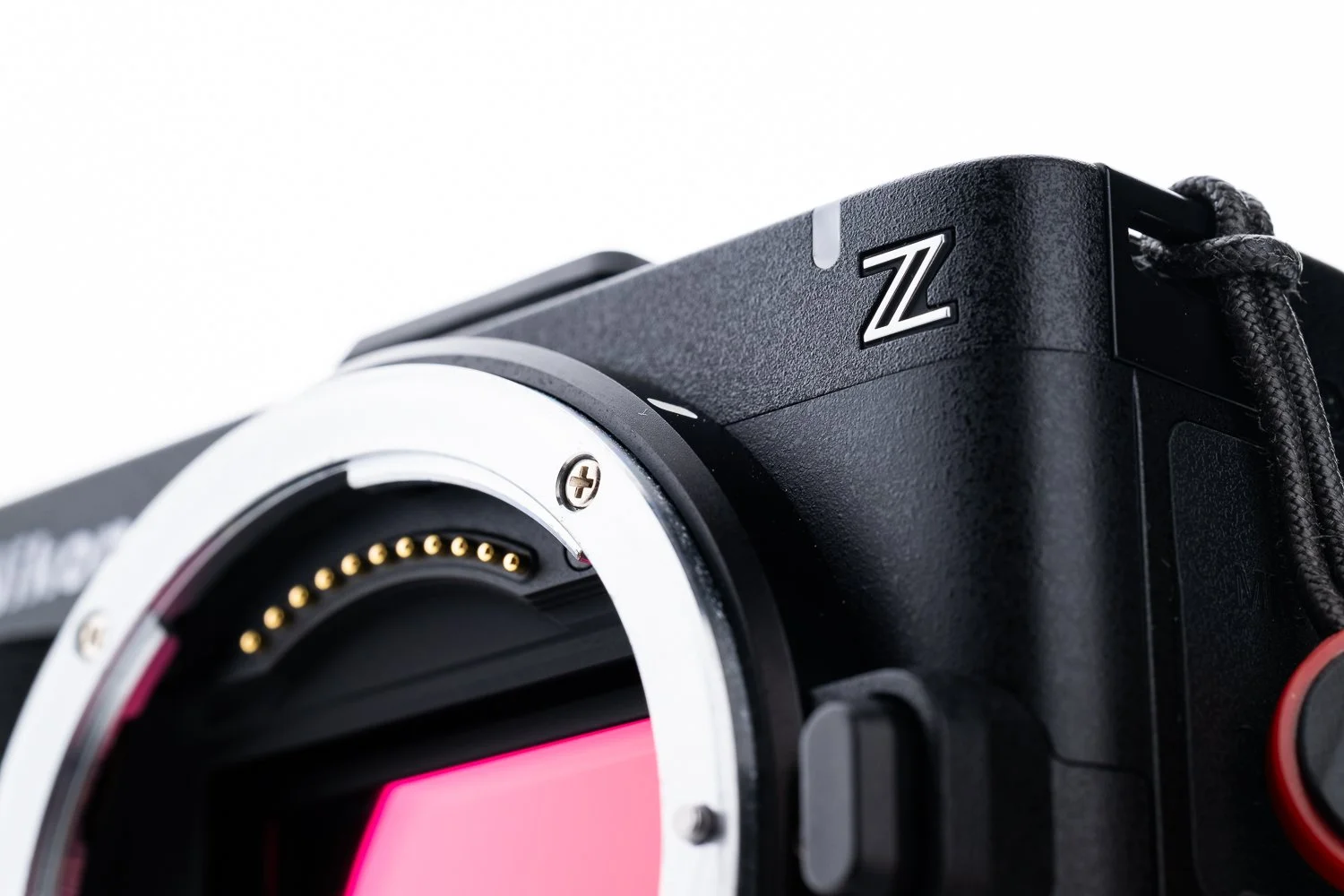
Nikon ZR: A recent addition, primarily for video. An absolute monster. The RED RAW format it supports produces extraordinary color, genuinely unlike anything I have worked with before. The file sizes are currently enormous (we are talking about storage demands that make even experienced video editors uncomfortable) and I am waiting on a Nikon firmware update to make the workflow more manageable. But the quality is worth it.
One honest note on autofocus: Sony is still a step ahead of Nikon here. I will not pretend otherwise. Everything else about the Z system fits the way I work so well that it is not a daily concern, but it is worth knowing.
The Lenses
All Nikon Z mount, except one.
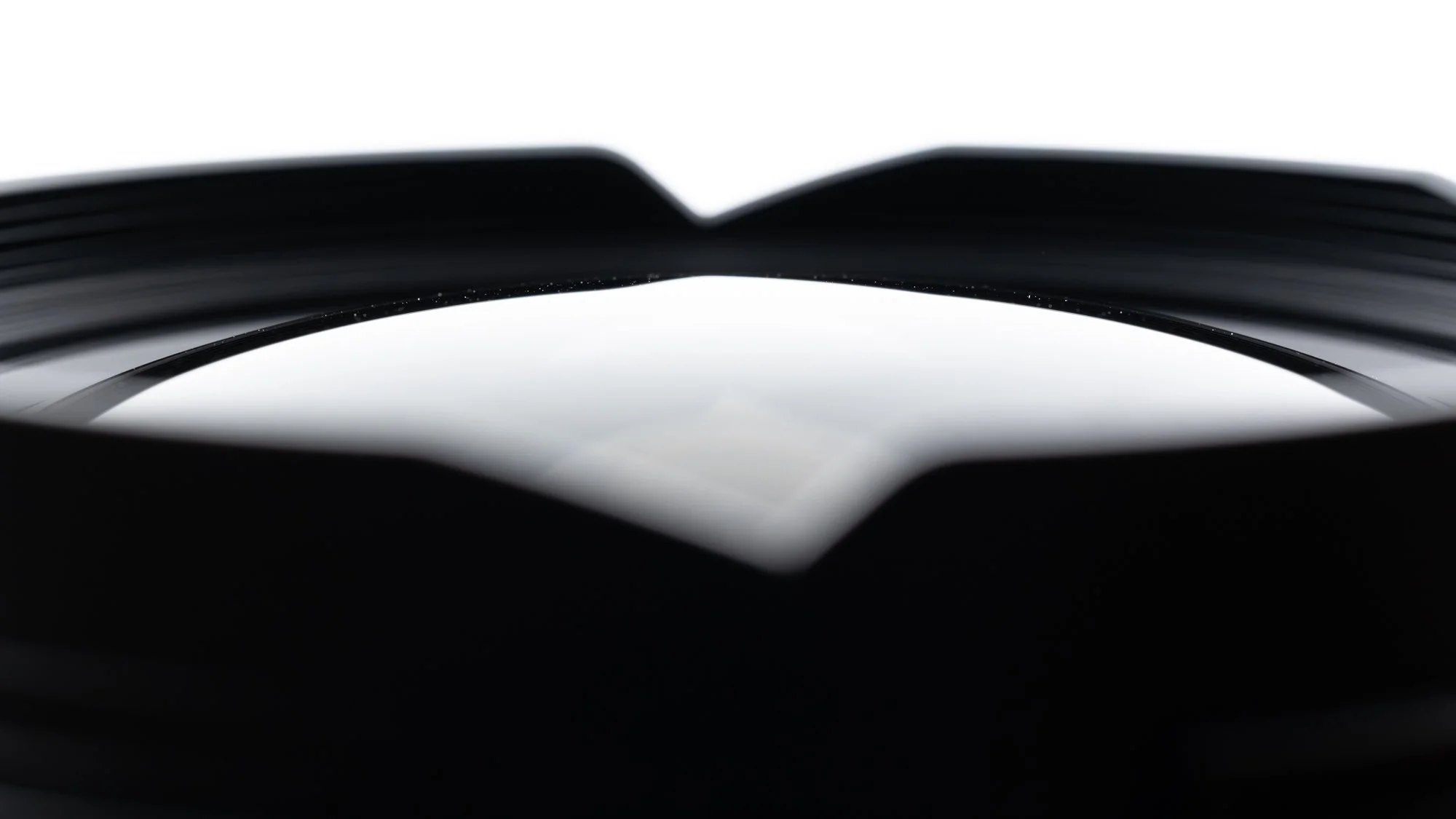
Nikon Z 14-24mm f/2.8 S: My most-used lens. Wide, sharp, and built for the volcanic coastlines and open skies of the Azores. Requires a dedicated 112mm front filter element (more on that below).
Nikon Z 24-120mm f/4 S: The lens that lives on the camera when I am not sure what the day will bring. Versatile enough to cover most situations, light enough to carry all day without thinking about it.
Nikon Z 70-200mm f/2.8 S: Not on every trip. I tested the Nikon 100-400mm extensively and genuinely liked it, but I could not justify it for the way I work. I do not shoot wildlife seriously, and the 70-200mm with the TC-1.4x gives me enough reach when I need it. The f/2.8 aperture is far more useful in the low light I shoot in most often.
Nikon Z 50mm f/1.8 S: For video and for the moments when I want to shoot simply and intuitively.
Nikon Z 20mm f/1.8 S: Acquired primarily for video. One of the best 20mm lenses on the market, and the wide aperture handles low light beautifully. Astrophotography is a bonus, not the reason I bought it.
Nikon TC-1.4x: Teleconverter for when 200mm is not enough.
Tamron 90mm f/2.8 Macro: Rarely used, but part of the arsenal for the situations that call for it.
Drones & Filters
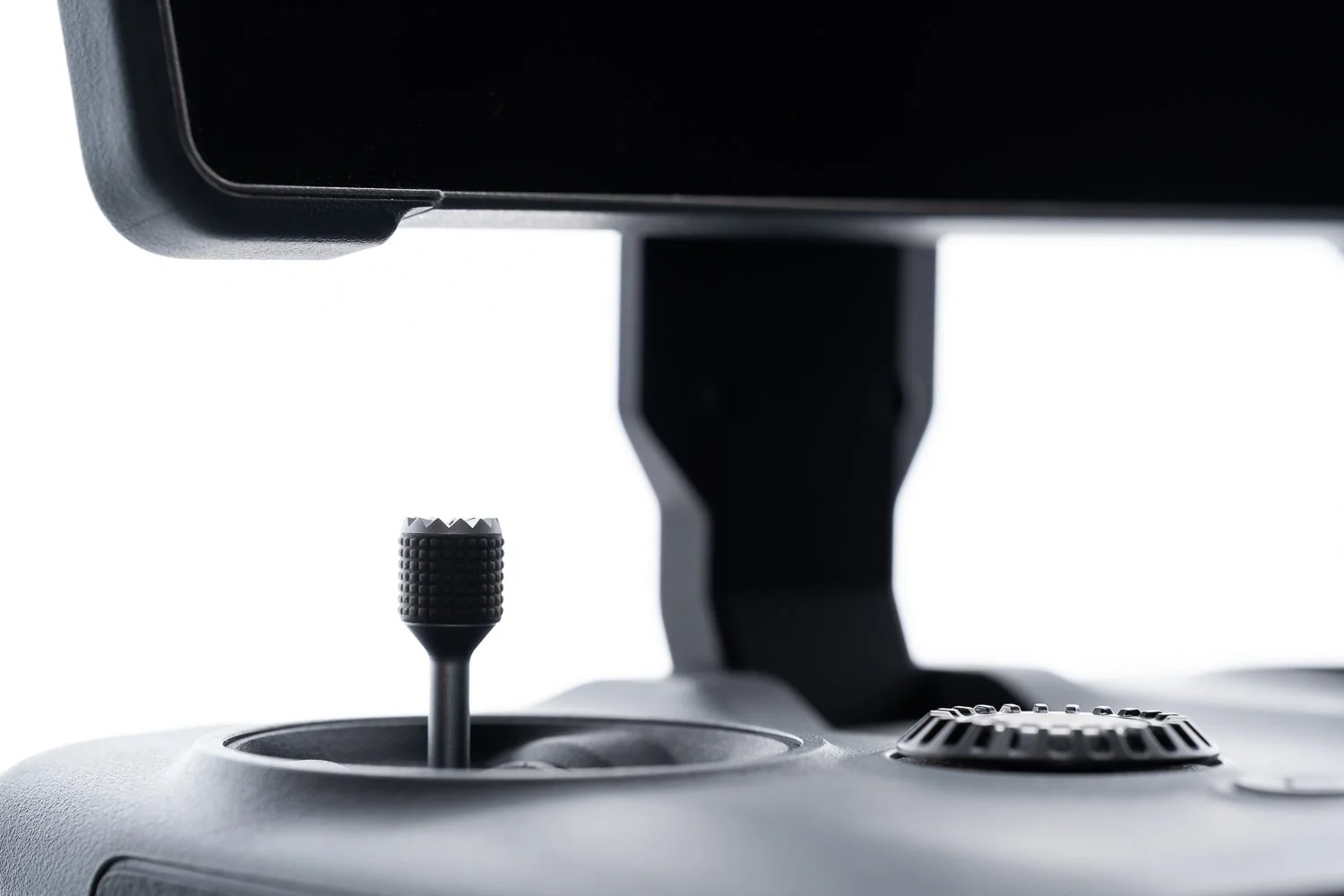
DJI Mavic 4 Pro Creative Combo: With the large RC Pro controller. My only drone on the road. The image quality and flight stability are exceptional, especially in the Atlantic wind I deal with regularly.
DJI Mavic 3 Pro (Four batteries): Still one of the best drones ever made. It stays as a backup at home. Having two available is not a luxury in the Azores wind; it is a contingency plan.
NiSi 112mm CPL: Exclusively for the 14-24mm. This lens has a bulbous front element that does not accept standard filters, so the 112mm screws into the lens hood. It is large, it is specific, and there is no substitute.
Maven Magnetic Filters (77mm): Two CPLs, plus ND3, ND6, and ND10. I switched to a magnetic system because the attachment is fast enough that you will actually use them in the field.
The European Dilemma
While the Maven system is great, being based in Europe means dealing with US-only shipping and customs. If a filter gets scratched or I need a quick replacement during tour season, the logistics are a nightmare. Because of this, I’m currently looking into switching to the NiSi JETMAG Pro magnetic system. They seem incredibly robust, offer easier access to replacements here in Europe, and the quick-release design looks perfect for fast-paced coastal shooting.
Bags, Support & Audio
Peak Design Outdoor 45L: My main bag for multi-day shoots and tours. Excellent organization and build quality. Two honest criticisms: the C-shaped zipper requires two hands to close properly when the bag is fully open, which is frustrating in the field. Also, the main compartment could be deeper; with a Nikon Z8 and an L-bracket attached, it is tighter than it should be. Great bag, just not quite perfect.
Sirui AM-324: My travel tripod. Carbon fiber, tall, light, and a fraction of the price of the Gitzo it replaced.
Audio Gear:Sennheiser MKE 600 (main directional mic for serious video), Sennheiser MKE 400 (compact option), and DJI Mic Wireless Mic for interviews.
DJI RS 4 Mini: My current gimbal. Light enough to actually carry. I prefer handheld, but it comes with me for the situations that need it.
What I Actually Travel With (The Packing Strategy)
The full list above rarely leaves Terceira together. The kit adapts to where I am going and what I am doing.
For multi-island photo tours: Z8, 14-24mm, 24-120mm, and one drone. If I am heading to Pico, São Jorge, or Flores, the 70-200mm joins the bag. Everything else stays home. Inter-island flights on small turboprops mean strict baggage limits, and agility matters more than having every option available.
For video work: ZR as the primary body, Z8 as a backup and secondary camera. Lenses are the 20mm, 50mm, and always the 24-120mm for its versatility.
On Terceira, my home island: This is where I have the freedom to experiment with the full kit. No baggage limits, no inter-island logistics, no compromises.
⚠️ A Note on Memory Cards for Azores Visitors: I run CFexpress Type B (512GB) cards (como as da SanDisk e Angelbird). The Z8 also has an SD slot which I use as backup, but day-to-day, especially when shooting RAW video, CFexpress is the only option that keeps up. If you are coming on one of my tours with a camera that uses CFexpress Type B, bring plenty of your own cards and a compatible reader. These are not easy to find on a small island.
At the Desk & Software
At home on Terceira, I work on a custom PC build: AMD Ryzen 9 9950X3D, 64GB of RAM, and an MSI RTX 5080 GPU on an Asus ROG Strix X870E motherboard. Storage runs across five Samsung 990 Pro M.2 drives at 4TB each for active work, backed up to 24TB. My main monitor is an Asus OLED PG27UDCM, which is exceptional for color grading.
When traveling, I switch to a MacBook Air M4 paired with a Samsung 990 Pro 4TB portable SSD for field backups.
On the software side, I use Adobe Lightroom Classic for photo editing and cataloging, Photoshop for advanced work, and DaVinci Resolve Studio for all video work (its color grading tools are exceptional for landscape footage). For mobile and behind-the-scenes content, my iPhone 17 Pro is always in my pocket.
Join Me in the Field
Want to see this gear in action and learn how to use your own setup to capture the wild Atlantic landscape?
Check out my upcoming Azores Photography Tours for a fully guided experience.
If you are traveling solo, make sure to grab the ultimate location guide at Azores Best Photo Spots.
